Why an NZ Personal Alarm Could Be the Right Choice for Senior Safety at Home
I remember the first time my mother hesitated before walking down her hallway at night. She said it was nothing, just a little stiffness after gardening. But I noticed she started leaving the landing light on, and she kept her phone in her hand even when she was just going to the kitchen. That small shift in behaviour is something I have seen in many older relatives and friends over the years. It is not about fear exactly. It is more about that quiet awareness that a fall or a sudden health event could happen when no one is around.
For families living in New Zealand, this concern is very real. Our geography alone means that older parents often live a good distance from their adult children. A trip to the supermarket might involve driving on rural roads, and a visit from a family member can be a planned event rather than a spontaneous drop-in. This is where a reliable NZ personal alarm can make a genuine difference. It is not just a gadget. It is a way to preserve independence while keeping a safety net in place.
What Does a Personal Alarm Actually Do?
A medical alert system, at its simplest, gives the wearer a way to call for help at the press of a button. But the modern versions go well beyond that. The classic image of a pendant around the neck that connects to a landline base unit is still around, but today many systems include GPS tracking, fall detection, and two-way calling. This means that whether someone is at home, in the garden, or out on a walk, they can reach help without needing to find a phone or remember a number.
The real value lies in the response. When the alarm button is pressed, the signal goes to a monitoring centre or directly to nominated family members. In New Zealand, services like St John provide emergency response coordination, so the call is handled by people who know the local area and can dispatch assistance quickly. That kind of local knowledge matters. It is different from an overseas call centre reading from a script.
Fall Detection: The Feature You Hope You Never Need
Falls are the most common reason older adults end up in hospital. A stumble on the edge of a rug, a slip on a wet path, or just a moment of dizziness can lead to a broken hip or a head injury. If someone lives alone, the time between the fall and getting help can stretch into hours or even days. That is where fall detection becomes critical.
Modern devices use sensors that detect the impact and angle of a fall, then automatically trigger a call for help. The person does not need to press anything. That is important because after a fall, the individual may be unconscious, disoriented, or unable to reach the pendant. A good fall detection system reduces the risk of what is called a long lie, a situation where someone is stuck on the floor for an extended period, leading to dehydration, pressure sores, or even more serious complications.
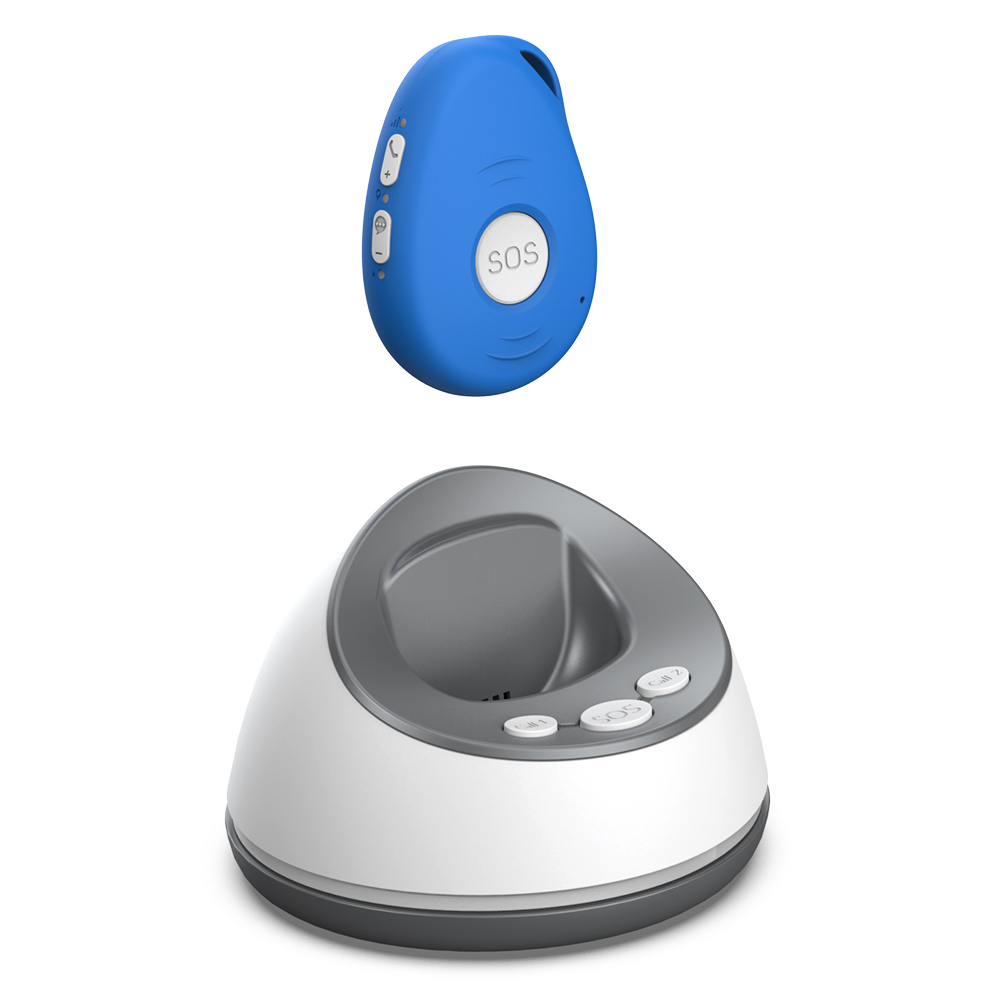
Not all fall detection is equal. Some systems are more sensitive and may trigger false alarms from sudden movements like bending over to pick something up. Others might miss a slow, controlled collapse. It is worth talking to providers about how their sensors work and whether the sensitivity can be adjusted. The goal is to find a balance between catching real falls and not becoming a nuisance.
GPS Tracking and the Freedom to Move
One of the biggest fears for caregivers is that their loved one will wander, especially in the early stages of dementia or memory loss. A person might leave the house for a short walk and become confused about where they are. GPS tracking built into an NZ personal alarm means that family members can see the wearer's location in real time through a mobile app. That alone can reduce a lot of anxiety.
But GPS tracking is also useful for active seniors who still drive or enjoy walking their local trails. My uncle, who is 78 and lives in Tauranga, takes his dog out every morning along a coastal path. He wears a waterproof pendant that has location sharing built in. If he were to slip on a rocky section, the fall detection would trigger, and the GPS coordinates would tell the responder exactly where to find him. That is a powerful thing. It means he does not have to give up his walk, and my cousin does not have to worry every minute he is out.
Two-Way Calling and the Human Voice
When an alarm is triggered, the next step is communication. Two-way calling allows the responder to speak directly through the pendant or base unit. They can ask what happened, check if the person is okay, and decide what kind of help is needed. Sometimes it is just a reassuring voice that says, "I can see you have pressed your button. Are you feeling unwell?" That human contact in the moment can be as important as the practical assistance.
In some systems, the first call goes to family members. That is the family monitoring model. It keeps the circle small and trusted. If no one answers after a set time, the call escalates to a professional response centre like St John. This layered approach works well because it respects the privacy and preferences of the older person while still ensuring that someone will respond eventually.
No Monthly Fees and the Cost Question
One of the biggest barriers to adopting a personal emergency pendant is the ongoing cost. Many companies charge a monthly subscription that can add up to hundreds of dollars a year. That is a lot for someone on a fixed income. Some New Zealand providers, like Familyr, offer devices with no monthly fees. You buy the unit, and that is it. No hidden charges, no surprise bills.
This model makes sense for a lot of families. It removes the friction of remembering to pay a subscription and avoids the feeling of being locked into a contract. The trade-off is that you might not get 24/7 professional monitoring included in that upfront price. Instead, the system relies on family monitoring, where the alert goes to nominated contacts. For many people, that is exactly what they want. They would rather have their daughter or son notified than a stranger.

Battery life is another practical consideration. Most modern pendants use rechargeable batteries that last anywhere from a day to several days between charges. Some have backup power that keeps the base unit running during a power cut. It is worth checking the specifics before buying, because a dead battery defeats the purpose entirely.
The Waterproof Pendant: Wearing It Matters
A personal alarm only works if it is worn. That sounds obvious, but it is the most common reason these systems fail. People take the pendant off to shower, or they leave it on the bedside table because it is uncomfortable to sleep with. That is why a waterproof pendant is so important. If you can wear it in the shower, you are covered during one of the riskiest times of day. Many falls happen in the bathroom, on wet tiles or when getting in and out of the bath.
Some pendants are also designed to be worn as a wristband or a belt clip. The choice depends on personal preference and dexterity. If someone has arthritis, a clasp on a necklace might be hard to manage. A wristband that fastens with a simple buckle might be easier. The key is to find something that feels natural and comfortable so it becomes part of the daily routine, not an extra thing to remember.
Health Monitoring and the Bigger Picture
Some newer medical alert systems include basic health monitoring features. They can track heart rate, activity levels, or sleep patterns. This data can be shared with family members through a mobile app, giving a broader view of the person's wellbeing. A sudden drop in activity might indicate that something is wrong, even if the alarm has not been pressed. That kind of insight is valuable for long-distance caregivers who cannot check in person every day.
Of course, health monitoring raises privacy questions. Not every older person wants their step count or heart rate visible to their children. It is important to have a conversation about boundaries and consent. The technology should support independence and dignity, not replace them.
Choosing the Right System for Your Family
There is no single best NZ personal alarm for everyone. The right choice depends on where the person lives, how active they are, and what kind of support network they have. Someone living alone in a remote rural area might need the GPS tracking and professional response more than someone in a retirement village with neighbours nearby. A person who is still very active might prioritise a rugged, waterproof pendant with long battery life, while someone with limited mobility might value a simple alarm button that is easy to press.

It is also worth thinking about the future. As people age, their needs change. A system that works well today might need to be upgraded in a few years. Some providers offer devices that can be reconfigured or added to, which is a useful option to have.
Final Thoughts
Senior safety is not about wrapping someone in cotton wool. It is about giving them the tools to live their life on their own terms, with a safety net underneath. An NZ personal alarm, whether it is a basic pendant or a full-featured system with fall detection and GPS tracking, can be that net. It allows a person to stay in their own home longer, to keep their routines, and to know that if something goes wrong, help is just a button press away.
For families, it offers something equally valuable: peace of mind. That night my mother started leaving the light on, I wished I had been able to give her something that would let both of us sleep a little easier. A personal alarm would not have stopped her from feeling stiff after gardening, but it would have meant that if she did fall in the dark, she would not have been alone for long. That is a small thing, and it is a big thing. It is worth thinking about.